0 comments
A recent move by the UK government may alter the educational routes of thousands of young people in the Global South, especially those from areas experiencing conflict.
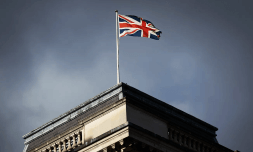
Recently, the Home Secretary, Shabana Mahmood, announced a plan by the British government to stop issuing study visas to students from various countries in the Global South. These include Cameroon, Sudan, Myanmar, and Afghanistan. If everything goes as planned, the policy will come into effect on March 26, 2026.
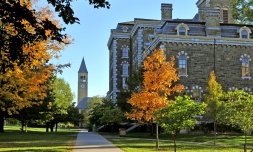
Thousands of aspiring students from these countries may face a new challenge in one of the most popular destinations in the world for studying abroad. The UK has always been a popular hub for education internationally. It attracts thousands of students every year, contributing billions of dollars to the country.
International students contribute more than just money. They also strengthen soft power through education, giving people the chance to study at some of the world’s leading institutions while building international relationships.
Immigration has become one of the UK’s most politically charged issues in recent years. Governments have faced growing pressure to reduce overall migrant numbers, shaping both immigration and asylum policy. In turn, the global movement of people has become a major force behind the government’s increasingly sensitive approach to migration.
The government’s decision to tighten visa regulations reflects this pressure clearly. It has been driven in part by concerns that some study visa applications have been misused, with students arriving in the UK on study visas and later applying for asylum. This has contributed to stricter rules for applicants from so called high risk countries and others with weaker rule of law.
The affected countries have a common link in the sense that they have all been in, or are in, a period of significant political upheaval.
In the case of Sudan, a vicious civil war has displaced millions and turned the country’s population into a humanitarian disaster. In the case of Myanmar, the country has been under military rule after a military coup in 2021. Afghanistan has also been struggling with an economic crisis and education, particularly for women, after the Taliban took charge.
For those in regions beset by conflict, an education abroad isn’t only an opportunity to forge a career, but also to escape the turmoil at home.
Tightening visa regulations may address political concerns, but it also forces a difficult trade off, one that could limit progress for both students and society.